According to the Mercer University Artificial Intelligence Policy, faculty are responsible for deciding whether, when, and how generative AI is used in courses, programs, and/or research, and students are responsible for understanding and adhering to faculty communications for using generative AI in each of their courses and research activities.
Faculty must clearly communicate generative AI use to students in course syllabi, assignment instructions, and research guidelines, and authors of content generated by AI are responsible for that content. Any use of AI must uphold academic integrity and compliance with university policies (see Academic Integrity, Data Security, and IT Access and Use policies).
The Traffic Light Framework is a practical way of categorizing AI use permissions in course syllabi and assignments.
 Green Light
Students are freely permitted to use AI tools in their course work or research. All AI-generated content must be cited, and its accuracy should be carefully evaluated by the user. The course syllabus and assignment instructions provide a clear statement of permission.
 Yellow Light
Students may use AI tools with limitations. The course syllabus and assignment instructions provide a clear explanation of the conditions regarding AI use. Students are advised to consult with their professor about the appropriateness of AI for specific course tasks.
 Red Light
AI tools are not permitted. All student work must be completed independently, without the assistance of AI tools. Unauthorized use of AI tools is considered a violation of the Academic Integrity Policy.
*Source: Mittelstadt, Meg. “The GPT Revolution: Exploring Prospects and Roadblocks in Teaching and Learning.” Webinar, University System of Georgia AI Webinar Series 2023.
The AI Assessment Scale
provides guidance for assignments and assessments using AI and may be a helpful framework for communicating AI use expectations in courses.
 No AI
No AIThe assessment is completed entirely without AI assistance in a controlled environment, ensuring that students rely solely on their existing knowledge, understanding, and skills.
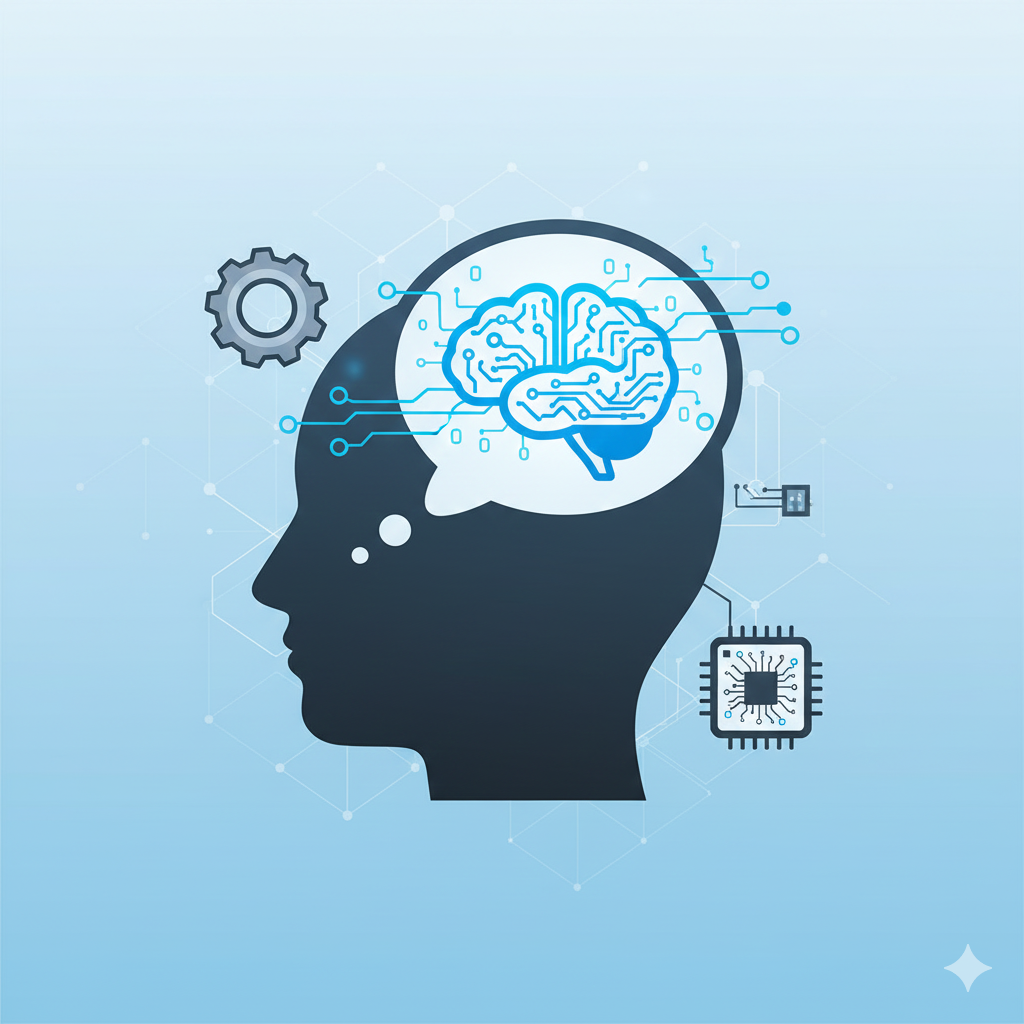 AI Planning
AI may be used for pre-task activities such as brainstorming, outlining, and initial research. This level focuses on the effective use of AI for planning, synthesis, and ideation, but assessments should emphasize the ability to develop and refine these ideas independently.
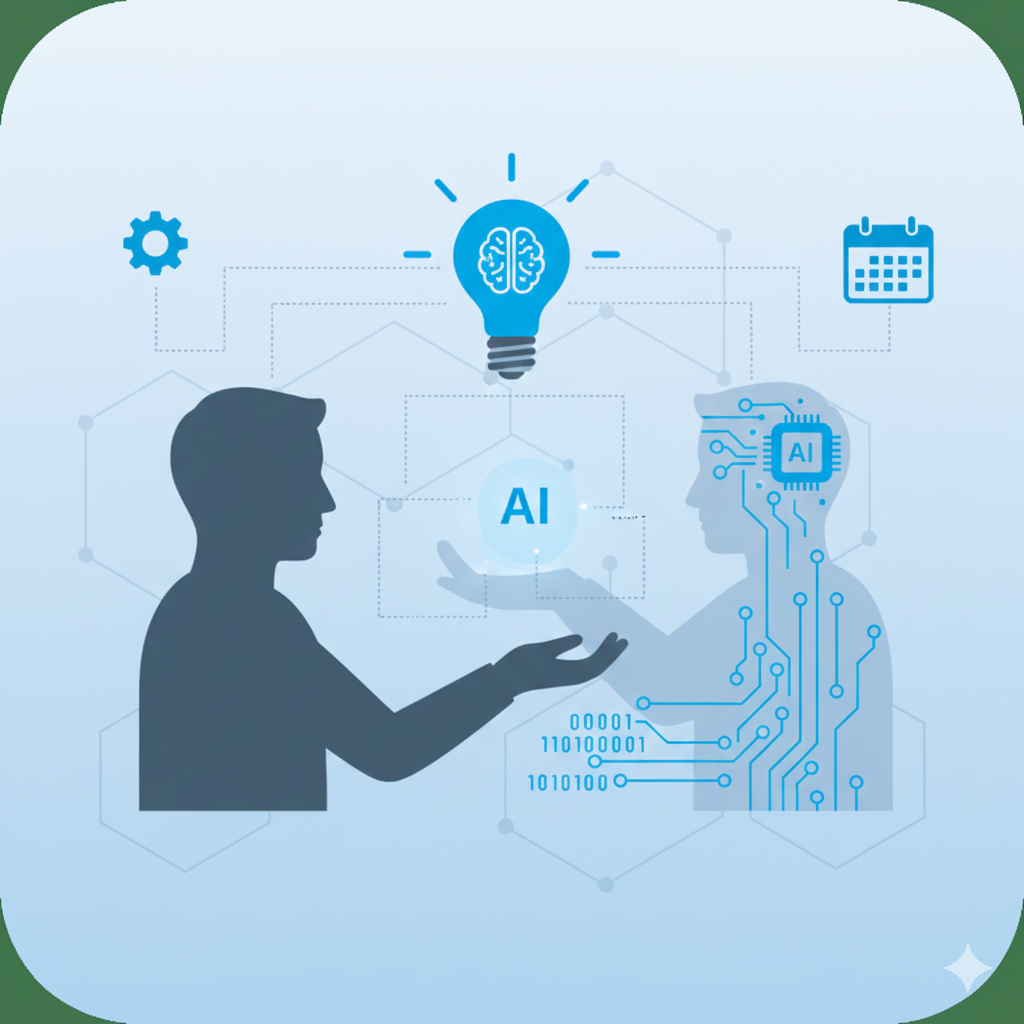 AI Collaboration
AI may be used to help complete the task, including idea generation, drafting, feedback, and refinement. Students should critically evaluate and modify the AI suggested outputs, demonstrating their understanding.
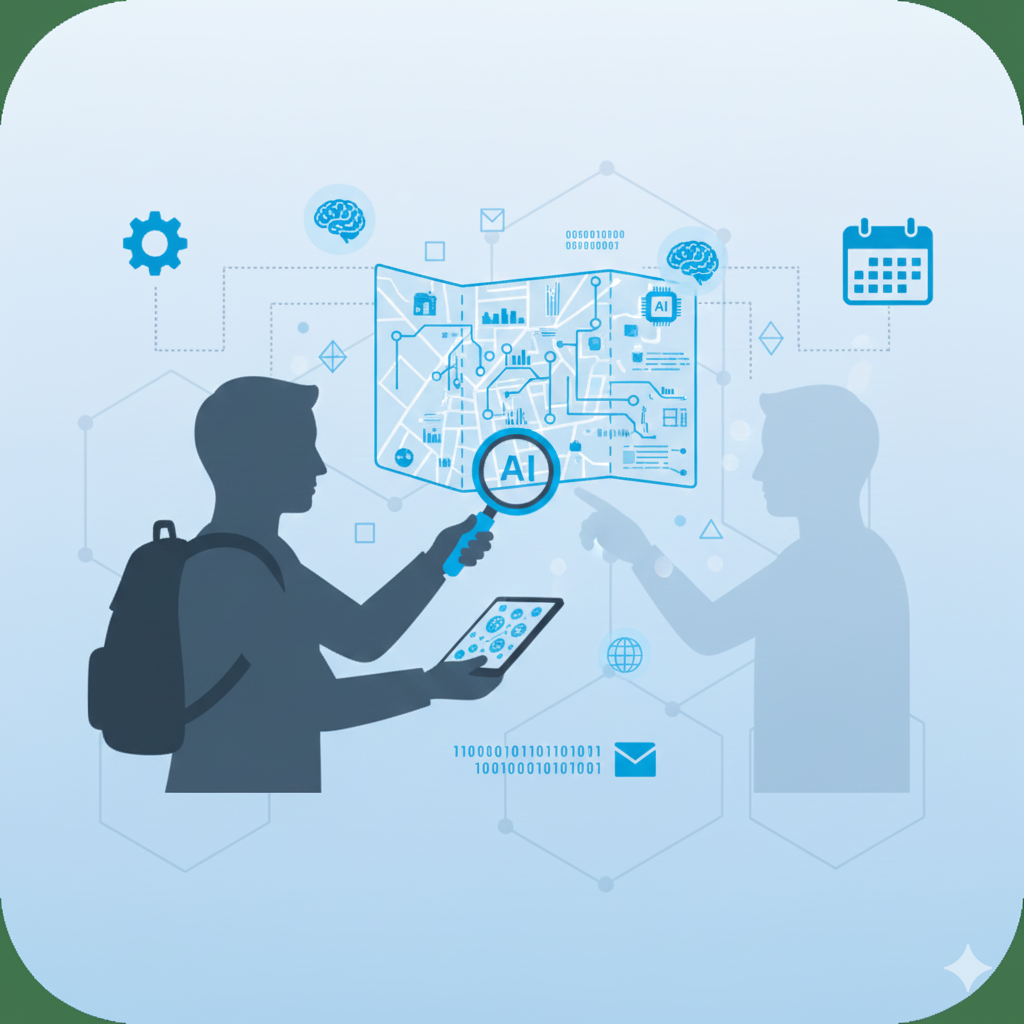 AI Exploration
AI is used creatively to enhance problem-solving, generate novel insights, or develop innovative solutions. Students and educators co-design assessments to explore unique AI applications within the field of study.
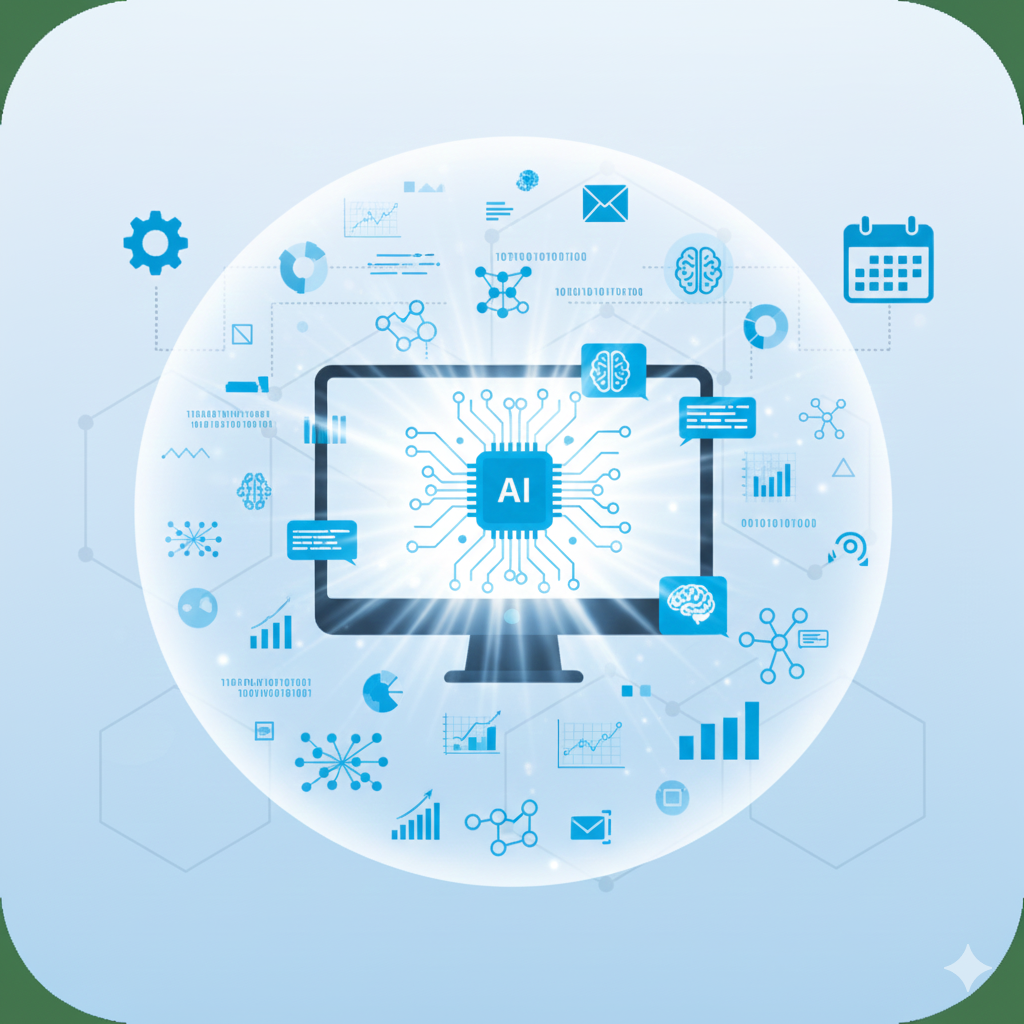 Full AI
AI may be used to complete any elements of the task, with students directing AI to achieve the assessment goals. Assessments at this level may also require engagement with AI to achieve goals and solve problems.
*Source: Perkins, Mike, Leon Furze, Jasper Roe, and Jason MacVaugh. (2024). “AI Assessment Scale (AIAS).” CC BY NC SA 4.0, https://aiassessmentscale.com/#levels.